How Artificial Roof Improve Protection Versus Midwest Storms
@collinjriu265
Anyone that has actually possessed a home in the Midwest long enough has a tornado story. In the Chicago location, one period can bring sleet that solidifies over night, wind gusts that peel at roofing sides, hail storm that bruises tiles, and summer warm that bakes everything completely dry before the following round of rainfall arrives. Roofing in this area is not a cosmetic decision first. It is a performance decision.
That is where artificial roof have actually gained actual interest. For property owners that want more than the basic life-span and look of common asphalt, modern artificial products supply a different strategy to defense. They are designed to resemble exceptional materials such as slate, cedar shake, or floor tile while fixing some of the weaknesses those materials can provide in freeze-thaw climates, hailstorm areas, and high-wind corridors.
This matters much more for homes in locations like Chicago, Naperville, and the bordering suburbs, where roofing assemblies are evaluated repeatedly, not occasionally. A roofing system may encounter wind-driven rainfall in April, hailstorm in June, moist warmth in August, and ice dams in January. A material that looks excellent in a showroom might not hold up the same way after ten years of Midwest weather direct exposure. The sensible question is simpler: when the weather condition turns harsh, what provides a home the most effective chance to stay completely dry, protected, and structurally protected?
For many homeowners, specifically those evaluating an artificial roofing system replacement, the solution progressively points towards architectural artificial roofing and other premium artificial roof options.
Why Midwest tornados are so difficult on roofs
Midwest weather condition is not simply severe, it is varied. That combination is what puts on roofs down. In coastal areas, roof covering choices usually revolve around salt air and hurricane patterns. In the Southwest, the emphasis is UV resistance and thermal development. In the Midwest, roofing system systems need to handle practically everything.
Hail is the most obvious concern. Also modest hail can shorten the life of a conventional roof covering by knocking granules loose, creating soft swellings, and revealing the roof shingles floor covering underneath. In some cases the damages is remarkable and easy to place. Equally as frequently, it is subtle. A roof covering can look appropriate from the ground and still be jeopardized enough to fall short years early.
Wind is equally as destructive, though it commonly works much more quietly. Repeated gusts tug at shingle tabs, stress bolt areas, and make use of weak sealing factors near ridges, hips, valleys, and eaves. When wind gets under an at risk area, water generally follows.
Then there is the freeze-thaw cycle, a familiar enemy in north Illinois. Water enters a little gap, temperature levels decrease, ice expands, and the opening obtains bigger. That process can repeat loads of times in one winter season. Add snow load, ice damming, and clogged water drainage courses, and also a decent-looking roof covering can begin dripping around infiltrations and transitions.
Heat should not be neglected either. Summertime temperature levels in the Midwest might not match the desert, but attic room warm accumulation, UV direct exposure, and duplicated thermal movement take a steady toll. Products end up being fragile, sealers tiredness, and blinking information age quicker than many home owners expect.
A roofing system in this atmosphere requires more than surface longevity. It requires effect resistance, wind stability, dependable water losing, and long-lasting dimensional uniformity. That is precisely why artificial roof have ended up being much more usual on both high-end personalized develops and day-to-day residences.
What makes synthetic roof covering different
The term synthetic roof coverings covers a variety of items, however the majority of superior systems are engineered from sophisticated polymer composites, recycled products, or proprietary blends developed to duplicate the look of cedar shake, slate, or tile. The essential difference is that these items are not trying to be all-natural products in every respect. They are attempting to provide the appearance of those materials while resolving their vulnerabilities.
Natural slate is stunning and long lasting, however it is heavy, costly to install, and can split under impact. Cedar shake has heat and character, but it needs maintenance and is susceptible to wetness issues with time. Clay and concrete floor tile bring their own benefits, yet weight and breakage can be problems, specifically in environments with freeze-thaw stress.
Synthetic roof shingles and panels are developed to reduce those downsides. Many are lighter than all-natural options, easier to handle throughout synthetic roof installation, and much more resilient under hailstorm influence. They also have a tendency to use even more consistent production resistances, which assists with fit, positioning, and water management throughout the roofing system plane.
That lighter weight has a useful advantage many home owners miss in the beginning. A lighter roof covering can typically be installed without the structural support that some natural materials need. On an older Chicagoland home, that can suggest staying clear of major framework adjustments just to sustain the roofing upgrade. When a synthetic professional roofer reviews an existing home, this usually becomes part of the worth discussion really quickly.
Impact resistance is more than an advertising and marketing term
Storm protection starts with influence performance. In the field, the distinction in between a roof that disregards hail and one that takes covert damage can be considerable. Not every artificial product is equal, however several superior artificial roof are created and tested for strong impact resistance relative to standard asphalt items and some all-natural materials.
That matters due to the fact that hailstorm damage is not always a slit. More frequently, it is collective injury. A roof covering obtains struck repetitively, the surface area sheds safety material, microfractures create, and the roofing system comes to be a lot more vulnerable to water invasion and UV degradation. A synthetic product with much better effect tolerance can lower that cascade.
I have seen situations where neighboring homes took the same storm, yet one roofing required partial or full substitute while the synthetic system following door came via with minor cosmetic wear. That does not imply synthetic roofs are indestructible. Absolutely nothing on the exterior of a home is. Yet a roofing system that withstands bruising, cracking, and fragmentation under common Midwest hailstorm occasions provides the property owner a much better beginning point after the tornado passes.
For homes with complicated roof geometry, dormers, valleys, and steep areas, that toughness ends up being a lot more valuable. These areas usually catch wind and come from several angles. A durable system performs not simply on wide open planes, but at the details where storm damages usually begins.
Wind efficiency depends upon the system, not just the shingle
Homeowners often go shopping roof items as though the visible product alone determines durability. In practice, wind resistance depends on the entire setting up. That consists of underlayment, starter training courses, ridge details, flashing, bolt placement, deck problem, air flow design, and installment quality.
A premium artificial roof covering item can be an outstanding choice, however it still needs proper installment from experienced synthetic roof installers. This is one location where the duty of a qualified artificial roofing business matters as high as the material option itself.
Wind commonly manipulates weak sides initially. Badly secured boundary information, faster ways at rake edges, and poorly set up starter strips can permit uplift to begin. As soon as that happens, damage increases quickly. A well-installed synthetic roof generally take advantage of exact manufacturing and constant fastening patterns, which can help contractors achieve a tighter, a lot more trustworthy roofing system covering.
In the Chicago region, where strong straight-line winds and thunderstorm fronts are common, I would take an installer with a disciplined procedure over a deal staff each time. An experienced synthetic roofing contractor Chicagoland house owners depend on will pay close attention to shifts, exposed areas, and exactly how neighborhood code demands connect with manufacturer specifications.
This is likewise why repair background matters. A roof that has seen multiple spot repairs throughout the years may have mismatched products, uneven fastening, and degraded substrate sections. In those situations, a synthetic roofing system replacement is often the smarter move than continuing to spot a roofing that no longer acts as an unified system.
Water management improves when materials stay stable
Storm defense is not only regarding enduring the impact occasion. It is also concerning what happens after the roof gets wet, chilly, warm, and wet once again. Products that warp, split, absorb too much wetness, or become brittle can endanger the water-shedding feature of the roofing over time.
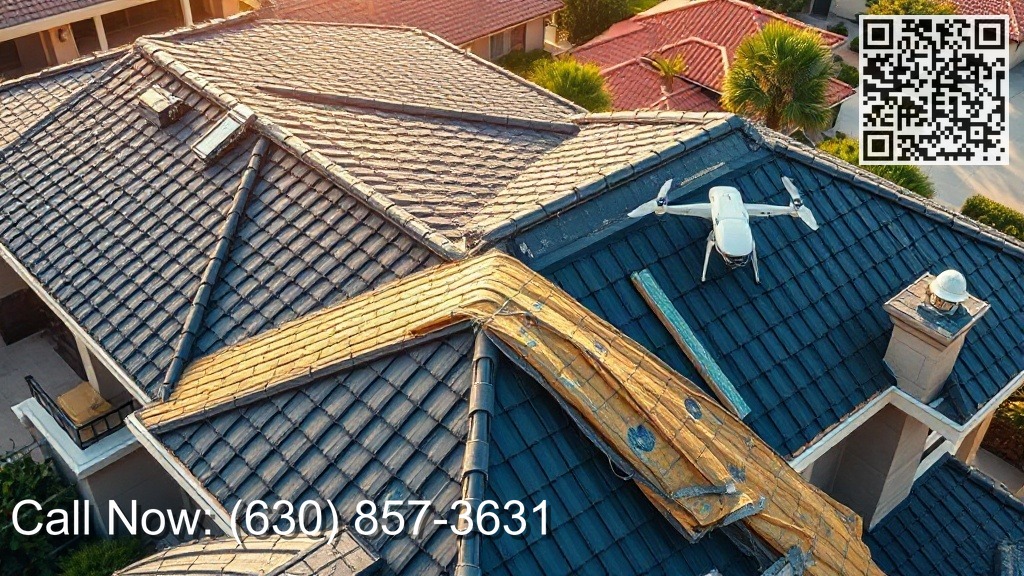
Many synthetic roof are developed for dimensional security. That suggests they are much less most likely to fracture or misshape the means some conventional materials can when repeatedly subjected to temperature level swings and moisture. In sensible terms, that aids preserve the limited overlaps and placement that maintain water relocating downhill and away from the deck.
The Midwest presents a persistent mix of rainfall, melting snow, and wind-driven dampness. Water does not constantly drop neatly right down. It gets pushed sideways, blown upslope, and pushed into susceptible roof covering information. Steady roof covering materials, paired with top quality underlayments and flashing, help reduce the threat that those problems become interior leaks.
Ice dam problems are another issue. Synthetic roof covering is not a treatment for bad attic room insulation or poor ventilation, yet a well-designed synthetic roofing system installment can work as component of a more powerful general wetness protection. When the roofing covering, underlayment, and edge details are properly integrated, the assembly stands a better possibility of withstanding backup water at eaves and valleys.
The weight benefit is specifically useful on older homes
In numerous Midwest neighborhoods, housing supply extends decades. It prevails to find homes built when roof covering loads, air flow assumptions, and framing approaches were really different from existing standards. That makes roofing system material weight a severe factor.
Natural slate and ceramic tile can be remarkable roofing products, however their dead tons is substantial. On a newer customized home engineered for that weight, no problem. On an older home with unpredictable framing modifications over the years, it becomes a much more complex conversation.
Architectural synthetic roof covering provides property owners a means to pursue the look of slate or shake without including the same architectural worry. For residential synthetic roof covering in recognized areas, this can be a functional happy medium in between appearance and structural prudence.
That is one reason synthetic roof covering for high-end homes has expanded. Proprietors of premium residential or commercial properties often want the visual richness of standard products, however they likewise desire modern-day performance, simpler logistics, and much less interruption throughout installation. Synthetic products can satisfy both goals when chosen carefully.
Appearance matters, yet realism varies by product
Not all artificial roof coverings look similarly persuading. Some premium lines record the depth, darkness lines, and variation of all-natural products extremely well. Others still have a flatter, more manufactured appearance, especially in extreme noontime light or on simpler roofing system shapes.
For house owners concerned about curb charm, this deserves seeing face to face. Samples aid, yet mounted tasks level. A credible artificial professional roofer should be able to show finished homes, talk about how color mixes climate with time, and discuss which profiles match the architecture of the house.
On large homes with high pitches, visible front elevations, or high-end outlining, the most effective premium synthetic roofing products can be extremely convincing visually. They typically look more refined than common laminated asphalt while staying clear of the fragility or maintenance worry of real wood or stone.
That claimed, judgment issues. A historical home might gain from a more conventional profile and muted color variant. A newer transitional or custom-made home may handle crisper lines and bolder shadow results. Excellent roof covering options value the design first.
Where artificial roof covering makes the most sense
Synthetic roof covering is not instantly the best response for every house. Budget plan, layout objectives, neighborhood context, and the condition of the existing structure all form the choice. Still, there are particular scenarios where these systems tend to shine.
- Homes in hail-prone and high-wind areas that need stronger storm resilience
- Properties where the proprietor wants a slate or cedar look without the weight of natural materials
- Older homes that may not be excellent candidates for heavy roofing systems
- Luxury residences where appearance and lasting efficiency both matter
- Roof replacements where duplicated fixings have already shown uneconomical
In markets such as artificial roof Chicago jobs or artificial roof Naperville IL installations, these situations turn up usually. House owners are stabilizing climate direct exposure with appearances, and they desire a roof covering that does not need consistent attention after every significant tornado cell actions through.
Installation high quality is where efficiency is won or lost
The ideal product worldwide can fall short if the staff cuts corners. This is not distinct to artificial roof tiles, but the factor is worth emphasizing since costs materials develop high expectations. A roof system just secures a home in addition to it is detailed and installed.
Experienced artificial roofing installers understand the traits of specialized items. They understand how manufacturer demands differ, how fastener settings affect performance, just how accessory pieces should incorporate, and where leakage threats are most likely to emerge on complicated roofing system lines.
When evaluating a synthetic roof covering business, home owners must look past sales language. Ask just how frequently the team mounts this specific item. Ask who manages blinking job around smokeshafts, skylights, and wall surface junctions. Ask whether the deck will be evaluated for soft places or wetness damages prior to installment profits. Ask just how air flow and underlayment choices will be attended to, not merely whether the noticeable roofing product is premium.
A careful contractor additionally takes care of sequencing around weather condition. Midwest roofing tasks can be interrupted by surprise electrical storms and high winds. Safeguarding the subjected deck, hosting materials correctly, and keeping penetrations water tight during installment are indicators of professionalism and trust that matter more than glossy brochures.
Cost, life-span, and the genuine value equation
Synthetic roof covering usually costs a lot more ahead of time than fundamental asphalt tiles. There is no truthful way around that. Property owners ought to anticipate a greater first financial investment, specifically with premium accounts and complicated installations.
But the value formula is wider than first cost. A roof covering that far better withstands hail storm, wind, and moisture intrusion might minimize fixing regularity, prolong substitute cycles, and shield interiors more dependably during serious weather. On higher-value homes, protecting look and lowering storm-related disruption can be worth a large amount as well.
Insurance factors to consider vary, and property owners need to confirm specifics with their carrier, yet impact-resistant products are commonly part of the discussion in storm-prone areas. Even when insurance savings are modest or inconsistent, the functional benefit of an extra resilient roof remains.
The largest mistake I see is comparing roof bids purely by square-foot cost without considering assembly high quality, storm efficiency, and the expense of future headaches. Economical roof usually ends up being pricey at the first significant climate event.
Questions worth asking before choosing a system
Before dedicating to a synthetic roofing system substitute, property owners must press for clear, project-specific responses. Excellent specialists welcome that degree of analysis due to the fact that it assists straighten expectations and prevents shocks later.
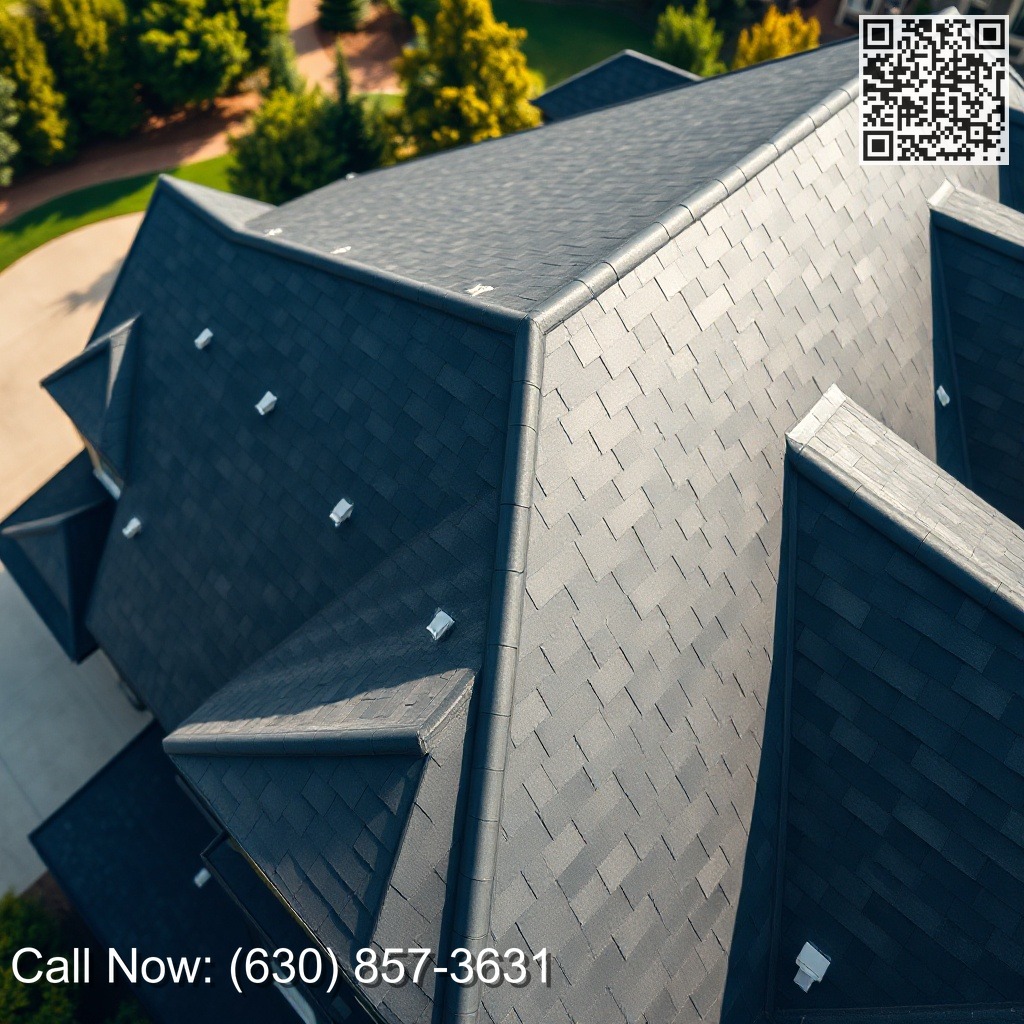
- How does this item execute in hailstorm, wind, and freeze-thaw problems common to our area?
- Will the existing roof deck or framework require repair services or support before installation?
- What underlayment and flashing information are included in the system price?
- How closely does this product resemble natural slate, cedar, or tile as soon as installed?
- What maintenance and evaluation routine do you suggest after major storms?
Those inquiries often tend to separate real experts from sales groups that just included artificial roofing systems to a wider menu.
Why Midwest house owners keep moving in this direction
There is a factor much more home owners are inquiring about residential artificial roof currently than they were a decade ago. Tornado patterns feel much less flexible, substitute costs are higher, and people are much more familiar with just how much damages beginnings at the roof line. At the very same time, item quality has actually enhanced. The very best systems readily available today are even more fine-tuned in both appearance and design than earlier generations.
For Midwest homes, particularly https://milodfre773.lumenforgex.com/posts/why-artificial-roof-covering-installers-recommend-weather-resistant-roofing-materials in storm-exposed areas around Chicagoland, the allure is uncomplicated. Synthetic roof provide a mix of impact resistance, wind efficiency, workable weight, and layout flexibility that fits the area well. They do not eliminate threat, and they do not replace the requirement for good installation, attic efficiency, and regular examination. However they can stack the probabilities in the house owner's favor.
That is the genuine factor. When the following hailstorm rolls throughout the neighborhood, when January ice works its method towards the eaves, or when a summer squall hits with hard wind and sideways rainfall, your roofing system does not need to be best. It needs to stay intact, shed water, secure the deck, and buy your home time. The best artificial roof are developed for exactly that job.
When Quality Matters
Salvo Architectural Roofing Contractors
566 West 5th Ave Naperville, IL 60563
(630) 857-3631
 Ask ChatGPT
 Ask Grok
 Ask Perplexity
 Ask Claude
 Ask Google AI
 Ask You